Tough guesswork on bike tire pressure is so last season. Your ride’s smoothness, speed, and flat-free days all hinge on hitting the right PSI for your bike, terrain, and weight. This bike tire pressure guide breaks it down fast, so you spend less time guessing and more time zipping. Ready to dial in your tires? Grab a floor pump with gauge or digital tire gauge from Wheel Sports and let’s get rolling!
Nail Your Bike Tire Pressure
Finding the perfect tire pressure is key to a smooth ride, whether you’re cruising paved roads or tackling rocky trails. Let’s dive into what makes each ride unique.
Road Bike Tire Pressure PSI
Road cyclists know: the right pressure makes all the difference. Aim for 80-130 PSI depending on your weight and tire size. If you’re lighter, stick to the lower end. Heavier riders benefit from a higher PSI. A simple floor pump with a gauge can help you fine-tune this number. Remember, the magic is in the details. Check your pressure before each ride to keep things smooth.
MTB and Gravel Adventures
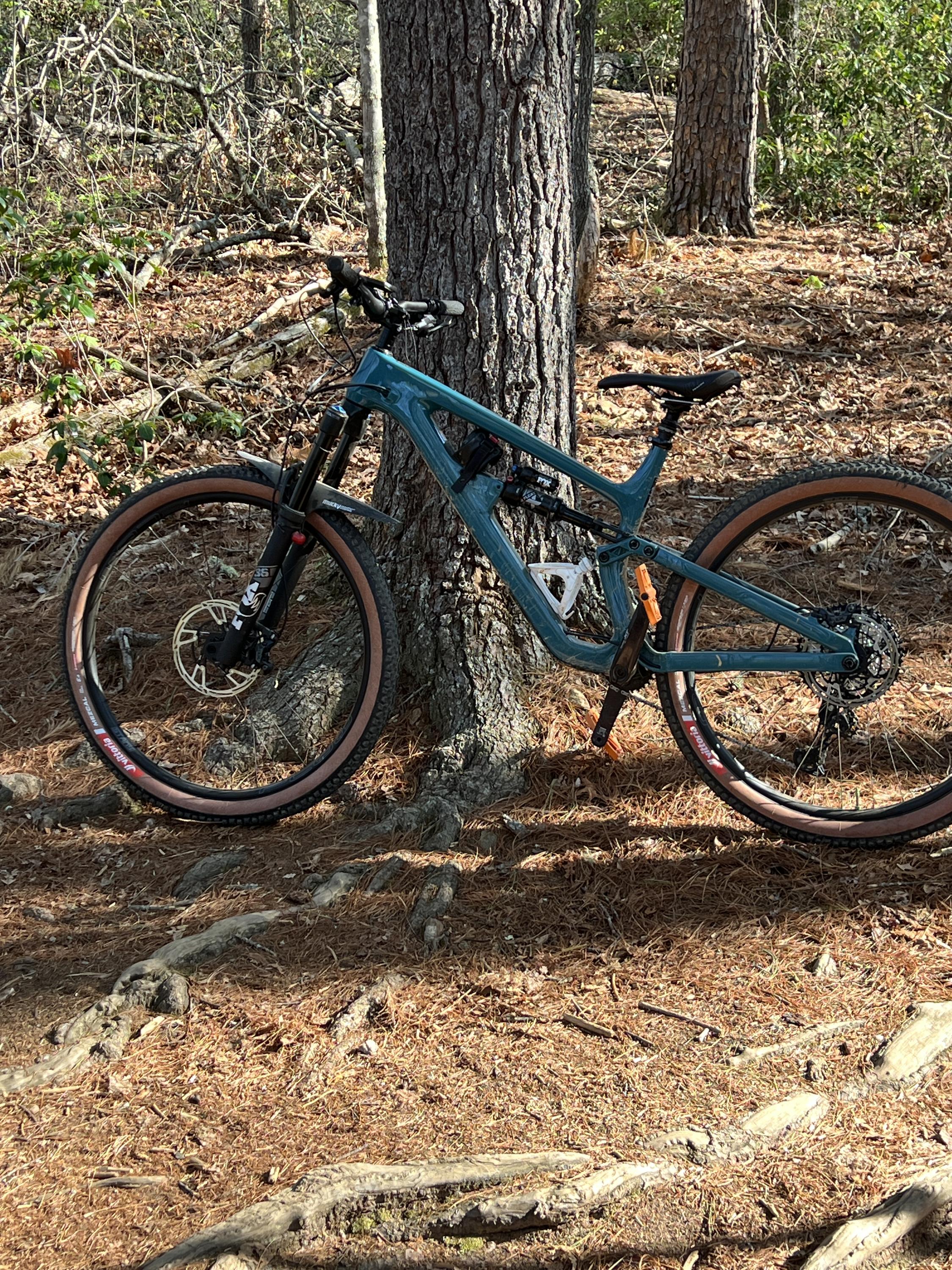
Mountain and gravel bikers have different needs. Lower pressure usually offers better traction on rough terrain. Aim for 30-50 PSI. This range allows the tires to grip the ground more effectively, providing a safer and more controlled ride. When trails get rocky, a lower PSI will cushion the ride, reducing the risk of punctures.
E-Bike Tire Pressure Tips
E-bikes carry more weight and often travel faster than traditional bikes. This calls for a careful balance in pressure. Look for a sweet spot between 50-70 PSI. Consistent tire checks will help maintain efficiency and battery life. Using a digital tire gauge ensures you hit the mark every time.
Perfect Pressure for Every Rider

Tailoring your tire pressure to suit your ride isn’t just smart, it’s essential. Let’s make sure every ride feels just right.
Rider Weight and Tire Width PSI
Your weight and tire width play a crucial role in finding the right PSI. Heavier riders should aim for higher pressure within the recommended range. Wider tires, on the other hand, can often run a bit lower than their narrower counterparts. Use a tire pressure chart or a tire pressure calculator to get precise numbers.
How to Check Bike Tire Pressure
Checking tire pressure is as easy as pie. Here’s how:
-
Get a Reliable Gauge: Invest in a floor pump with a gauge or a digital tire gauge.
-
Unscrew the Valve Cap: Use your hands, not pliers.
-
Attach the Gauge: Press it firmly onto the valve.
-
Read the Pressure: Adjust until it hits the right number.
For more on maintenance tips, check out this beginner’s guide to working on your bike.
Avoid Pinch Flats and Rolling Resistance
Too low a pressure can lead to pinch flats, where inner tubes get pinched by the rim. This can spell disaster mid-ride. Keep your PSI optimal to avoid this. On the flip side, too high a pressure increases rolling resistance. Find the balance to enjoy a swift, safe journey.
Tools and Tricks for Tire Care

A few essential tools and tips can keep your tires in top shape for every adventure.
Floor Pump with Gauge Essentials
A floor pump with a gauge is a must-have. It lets you monitor PSI accurately, ensuring your tires are always at their best. Invest in one that suits your needs to keep your rides smooth and carefree.
Presta vs Schrader Valve Know-How
Know your valve types: Presta valves are common on road bikes, while Schrader valves are often found on mountain and hybrid bikes. Make sure your pump is compatible with both for convenience.
Tubeless Tire Pressure and Sealant Guide 🚴♀️🛒
Tubeless tires offer a great ride with fewer flats. They need sealant to prevent leaks. Keep a close eye on PSI, especially after installation. Tubeless systems may require a bit more attention, but the payoff in comfort and puncture protection is worth it.
For more tips on tire selection, explore the best dirt bike tires.
Frequently Asked Questions
What pressure should my bike tires be?
The optimal pressure varies: road bikes typically require 80-130 PSI, mountain bikes prefer 30-50 PSI, and e-bikes sit best at 50-70 PSI.
How often should I check my bike tire pressure?
Check your tire pressure before every ride. This practice ensures a safe and efficient ride with minimal risk of flats.
Why is tire pressure important?
Correct tire pressure enhances ride quality, reduces rolling resistance, and decreases the likelihood of punctures.
How can I avoid pinch flats?
Maintain proper tire pressure and avoid riding over sharp objects or rough terrain at high speeds to prevent pinch flats.
What’s the difference between Presta and Schrader valves?
Presta valves are slimmer and used on road bikes, while Schrader valves are wider, similar to those on car tires, and often found on mountain bikes.
With these insights, you’re ready to hit the road with confidence. Keep those tires happy and you’ll enjoy a smoother, more reliable ride every time.